
Eurodeputații au adoptat joi în plen noi reglementări cu privire la concediul de paternitate și concediu netransferabil plătit pentru creșterea copilului.
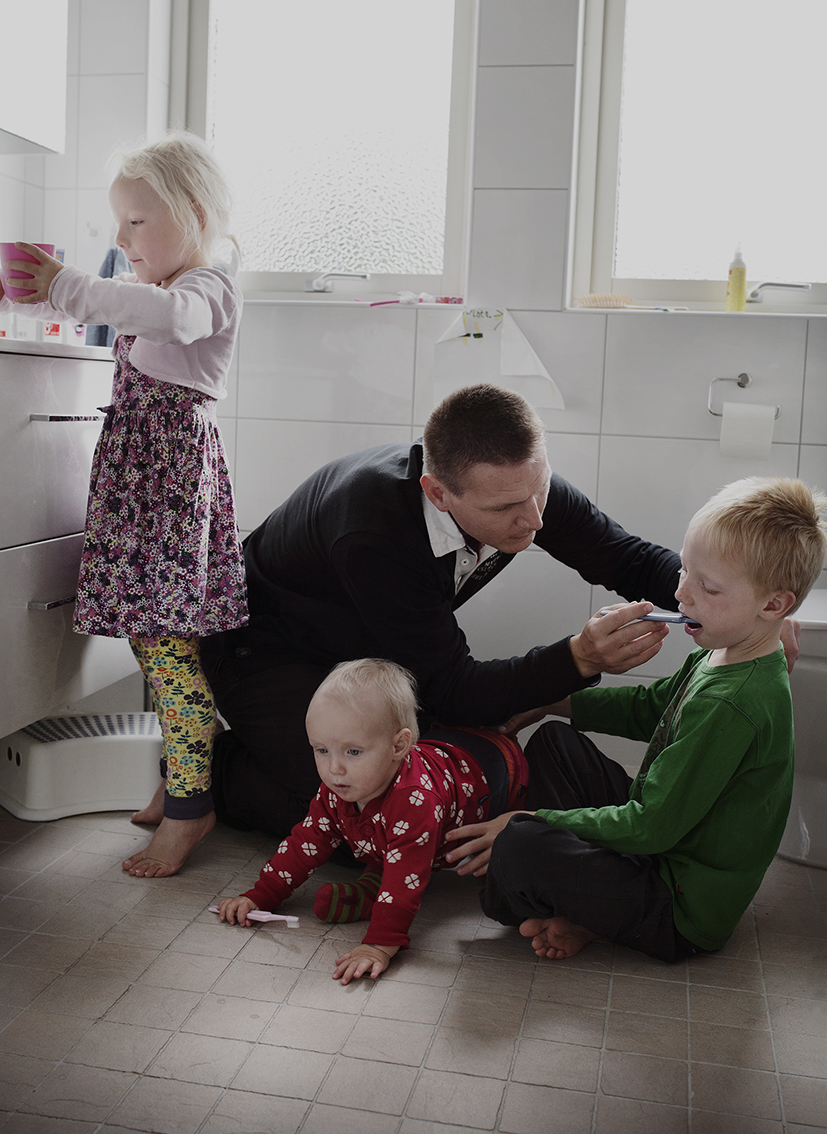
Legislația, convenită deja informal cu miniștrii UE, stabilește cerințe minime ce trebuie implementate de toate statele membre, menite să contribuie la îmbunătățirea șanselor femeilor pe piața forței de muncă și să consolideze în familie rolul tatălui sau celui de-al doilea părinte. Aceste prevederi vin în sprijinul vieții familiale, ținând cont mai bine de schimbările sociale și promovând egalitatea de gen.
Concediul de paternitate, de creștere a copilului și de îngrijitor
• Dreptul la cel puțin 10 zile lucrătoare de concediu de paternitate plătit pentru tați și pentru al doilea părinte echivalent (în cazul recunoașterii de către legislația națională) a fost stabilit în perioada nașterii unui copil sau a nașterii unui făt mort, și trebuie plătit cel puțin la nivelul concediului medical.
• Eurodeputații au adăugat, de asemenea, două luni de concediu parental netransferabil și plătit. Acest concediu ar trebui să fie un drept individual, creând condițiile adecvate pentru o distribuție mai echilibrată a responsabilităților de îngrijire în cadrul familiei.
• Statele membre vor stabili un nivel adecvat de plată sau alocație pentru perioada minimă de concediu parental netransmisibil, ținând seama de faptul că luarea concediului pentru creșterea copilului duce adesea la o pierdere de venit pentru familie, iar un membru al familiei plătit mai mult (care este de multe ori un bărbat) ar trebui să poată face uz de acest drept.
• Statele membre trebuie să ofere 5 zile pe an de concediu de îngrijitor pentru persoanele care au în grijă o rudă sau o persoană care locuiește în aceeași gospodărie și care are o afecțiune gravă sau o afecțiune datorată vârstei.
Statele membre care garantează deja o plată sau o alocație de cel puțin 65% din salariul net al unui angajat, timp de cel puțin 6 luni pe perioada concediului parental al fiecare părinte, pot menține acest sistem.
Condiții de lucru flexibile
Părinții care lucrează și îngrijitorii vor putea să solicite o adaptare a modelelor de lucru, inclusiv, acolo unde este posibil, prin programe de lucru la distanță sau prin programe flexibile. Atunci când analizează cererile de lucru flexibil, angajatorii pot lua în considerare nu numai propriile resurse și capacitatea lor operațională, ci și nevoile specifice ale unui părinte de copil cu dizabilități sau suferind de boli cronice, sau ale părinților singuri.
Raportorul David Casa (EPP, Malta) a declarat: că „această directivă aduce o îmbunătățire a egalității de gen și o mai bună împărțire a responsabilităților. Femeile au avut de suferit din cauza lipsei de egalitate, ceea ce a dus la diferențe de salarii și de pensii. Acum acestea vor fi sprijinite să intre pe piața forței de muncă și să-și atingă întregul potențial, în timp ce tații vor avea un rol mai important în creșterea copiilor. Directiva aduce de asemenea beneficii și membrilor familiei care au grijă de generația vârstnică. În ansamblu, situația se va îmbunătăți pentru bărbați, femei, familii și economie „.
Directiva va intra în vigoare în a douăzecea zi de la data publicării sale în Jurnalul Oficial al UE. Statele membre vor trebui să respecte reglementările în termen de trei ani.